
 Español
 Pусский
 Français
 Deutsch
 日本語
日本語 한국어
한국어 العربية
 Italiano
 Indonesia
Japanese style Stovetop for chefs
Japanese-Style Stovetop for Chefs: Precision, Efficiency, and Tradition A Japanese-style stovetop is a meticulously designed cooking appliance that blends functionality, precision, and aesthetic simplicity, catering to both professional chefs and culinary enthusiasts. Unlike conventional Western stovetops, which often prioritize high heat output, Japanese stovetops emphasize control, efficiency, and adaptability to diverse cooking techniques—from delicate simmering to high-temperature stir-frying. Key Features 1. Precision Heat Control Japanese stovetops are engineered for fine-tuned temperature adjustments, allowing chefs to maintain consistent low heat for simmering broths or rapidly shift to high heat for teppanyaki-style cooking. Many models feature responsive knobs or digital controls that ensure immediate heat modulation, crucial for dishes like tempura or delicate sauces. 2. Multi-Fuel Compatibility Traditional Japanese cooking utilizes various heat sources, including gas, induction, and charcoal. A professional-grade stovetop often supports multiple fuel types, with gas burners offering visual flame control and induction plates providing energy-efficient, even heating. Some models incorporate built-in shichirin (small charcoal grills) for authentic yakitori or robatayaki grilling. 3. Compact and Ergonomic Design Space efficiency is a hallmark of Japanese kitchen tools. Stovetops are often designed with compact, modular burners that can be rearranged or combined to accommodate different pot sizes. The low-profile design minimizes arm strain during prolonged use, while heat-resistant surfaces ensure safety and durability. 4. Even Heat Distribution Whether using cast-iron hagama (pots) or stainless steel pans, Japanese stovetops ensure uniform heat dispersion to prevent hot spots. Induction models excel in this regard, with advanced magnetic field technology that heats cookware evenly—ideal for rice cookers or nabe hot pots. 5. Easy Maintenance and Durability Stainless steel or ceramic surfaces resist staining and corrosion, while removable grates and drip trays simplify cleaning. Many models feature flame failure safety mechanisms (for gas) or auto-shutoff timers (for induction), aligning with Japan’s rigorous safety standards. Cultural and Practical Influence The design reflects Japan’s culinary philosophy: respect for ingredients and technique. A chef can seamlessly transition from frying katsu to gently steaming chawanmushi without switching appliances. The stovetop’s versatility also supports washoku (traditional cuisine), where precise heat control is essential for preserving textures and flavors. Conclusion A Japanese-style stovetop is more than a tool—it’s an extension of the chef’s skill, offering unmatched control, efficiency, and adaptability. Its fusion of modern technology and traditional craftsmanship makes it indispensable for professionals seeking to elevate their cooking with precision and grace.
Products
Category:
-
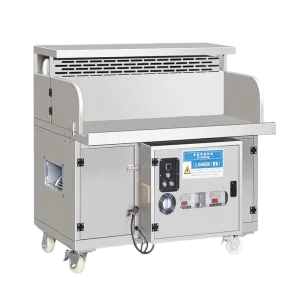
Japanese Style Chef's Sakitoriro
Category: Barbecue Cart SeriesBrowse number: 19Number:Release time: 2025-12-22 11:09:26Japanese-style yakitori grills are professional grilling equipment suitable for the countertop dining scene in Japanese restaurants. They feature visible cooking, low noise and smokeless operation, and precise temperature control, which meets the core requirement of Japanese yakitori, which emphasizes the original flavor of the ingredients. They are often chosen by high-end Japanese restaurants and yakitori specialty shops.
News
Category:
No search results found!
Case
Category:
No search results found!
Video
Category:
No search results found!
Download
Category:
No search results found!
Job
Category:
No search results found!
Featured Products
No search results found!



 Phone
Phone